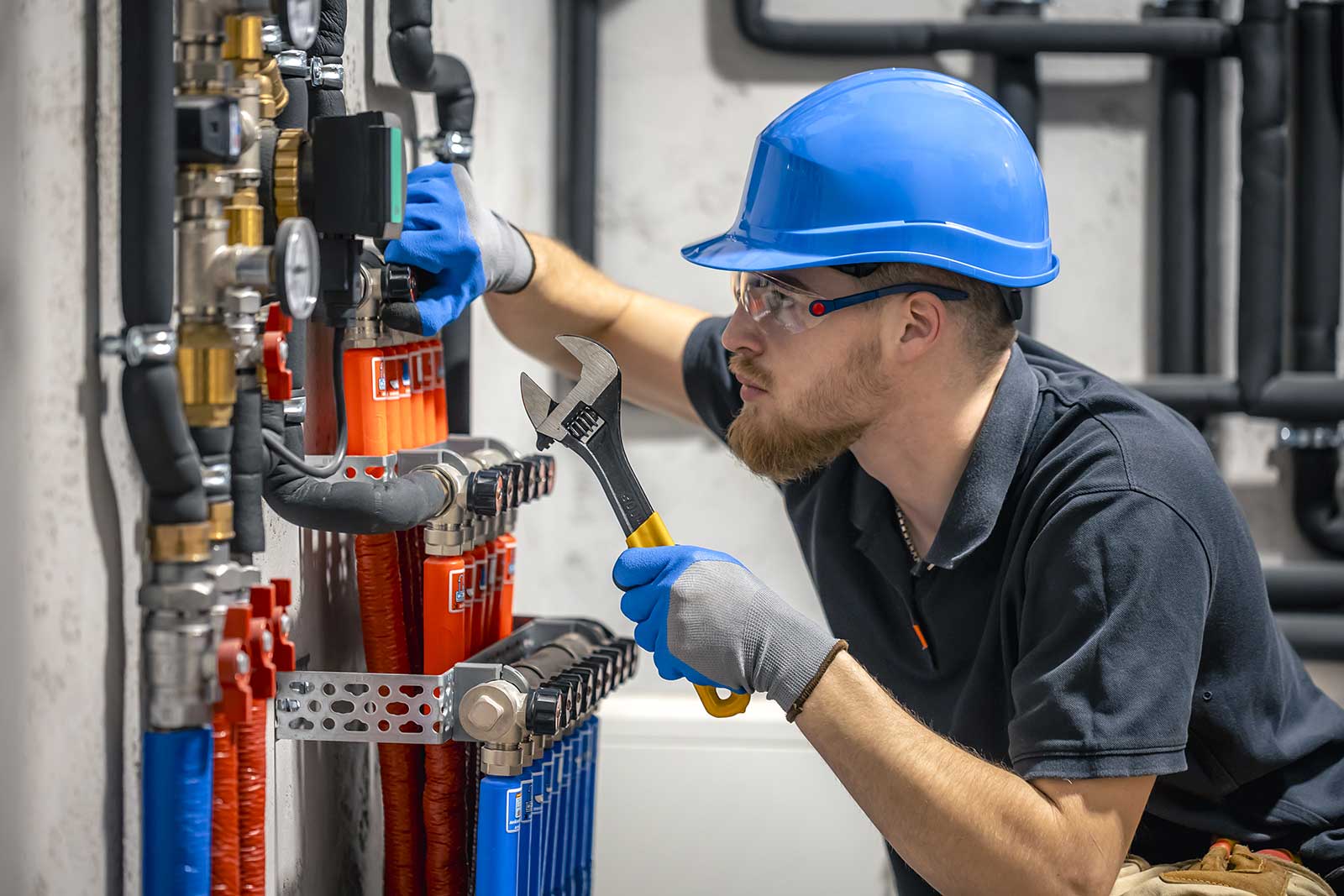
We understand how stressful it is when your heating or cooling system unexpectedly fails—especially during a scorching summer day or a bitterly cold winter night. You want your home to feel safe and comfortable again as soon as possible. That’s why emergency HVAC services are designed to provide swift, reliable service when you need it most. Acting quickly can prevent more damage, protect your loved ones, and save you from costly repairs. Use this guide to identify real emergencies, know what to do next, understand costs, and keep your system reliable all year.
What Are the Signs You Need Emergency HVAC Repair?
We understand how stressful it can be when your home suddenly feels too hot or too cold. Knowing when to seek emergency HVAC services can help protect your family and bring peace of mind.
Watch for these warning signs:
- Uneven temperatures throughout your home
- Rare noises, such as banging, screeching, or rattling
- Water pooling around your unit
- Strange odors coming from vents
- The system is short-cycling and shutting down rapidly
- Full system shutdown under severe weather
Bad air hurts people’s health. More dust, more allergens, or problems with humidity are harder on one’s ability to breathe. Life-threatening situations are often posed by carbon monoxide leaks from faulty furnaces.
Take these precautions right away:
- Turn off the thermostat on your HVAC system right away.
- If you see sparks or smell smoke, switch off the power at the circuit breaker to stay safe.
- Open your windows to let fresh air into your home.
- If you smell gas, get your family to safety straight away.
- Don’t wait to get help from a professional; call emergency services right away.
When your system breaks down, energy expenses go up very quickly. The HVAC unit has to work harder and consumes more electricity. Before the technician arrives, clear the area around your indoor and outdoor units. Make a note of any scents or sounds you heard before the collapse. These details assist technicians in figuring out what’s wrong fast and correctly.
How Fast Do Emergency HVAC Repair Technicians Respond?
Homeowners searching for 24/7 HVAC repair or quick-response service expect immediate action. Experts typically arrive in two hours or less, inspect critical components, and often complete repairs that same day.
The inspection process goes quickly. The procedure of checking things is done swiftly. An expert will look over the equipment within less than 30 minutes of their visit. They check the amounts of refrigerant, the electrical connections, the safety controls, and the mechanical parts.
Simple repairs, such as changing a capacitor or unclogging a drain, can often be completed in a few hours. More complex repairs requiring specialized parts may take longer to complete. Your professional provides a detailed cost estimate, explains the issues, and presents repair choices prior to starting any work.
Crucial components like capacitors, electrical switches, control panels, and fan motors are frequently kept on hand by emergency personnel. While waiting for replacements, technicians work to restore basic operation, even if larger parts like compressors or heat exchangers may need to be ordered.
Why Should Your Home Get 24/7 HVAC Repair Services?
Severe weather doesn’t wait, and you shouldn’t either. 24/7 HVAC repair services ensure your heating and cooling systems run safely-even on nights, weekends, or holidays. This availability protects your family from accidents and discomfort, especially young children, elderly relatives, or those with health issues.
Being available around the clock protects your family and home from accidents. 24-hour emergency HVAC service doesn’t wait for business hours. The system does not work on weekends or holidays, or at night.
There are many advantages to receiving emergency heating and cooling service. You escape suffering through extreme weather conditions. Tariffs, heating, and cooling can be dangerous seasons for young children, elderly relatives, or those with health conditions.
Knowing expert help is always just a phone call away reduces stress. You avoid waiting several days due to holidays or off-hours. Your family stays safe and comfortable while professionals handle the urgent repairs.
How Much Does 24-Hour HVAC Repair Cost?
When you know how much repairs could cost, then you can make better decisions. 24-hour emergency HVAC service costs the price of an emergency sedation, which can really add up.
Service call fees (one-time as part of the minimum total service trip charge) for a local area are from $75 to $150. That includes the tech coming out, troubleshooting, and the quote. And be aware that you pay this fee regardless of whether you decide to have a repair made.
Labor costs average $100 to $200 per hour, depending on repair complexity and duration. Due to urgency, repairs made on weekends, holidays, or after hours may incur additional fees. Costs are also impacted by the system’s age, necessary components, and degree of damage.
Timely repairs minimize costs and identify issues early. Minor problems might become expensive remedies when they are delayed. In order to prioritize your urgent needs, emergency repairs are more expensive during vacations or late at night.
Many services offer upfront pricing. You get a quote before work starts. No hidden fees will surprise you later. Make sure you obtain a comprehensive finance and payment plan structure prior to any costly repairs.
How to Avoid HVAC Failures in the Future
Why maintaining your heating and cooling system is essential. Emergency HVAC repair calls are reduced by routine maintenance. It is less expensive to prevent damage than to fix it.
Schedule annual professional inspections. Service your furnace before winter. Make sure your air conditioner is primed for summer. These tune-ups catch problems early.
Change air filters regularly. The majority of filters require changing out at least once every month to three months. Dirty filters restrict airflow. Properly maintained filters enhance efficiency and air quality.
Monitor your system’s performance. Listen for unusual sounds. Watch for temperature inconsistencies. Check for water leaks. These early warnings prevent breakdowns.
Annual maintenance provides multiple benefits:
- Efficiency ratings: Energy Star qualified for high efficiency to save money on utility bills.
- Longer system life avoids the cost of replacement
- For a healthier you, better air quality indoors
- Fewer emergency repairs lower expenses
- Reliable performance during peak seasons
Keep outdoor units clear. Clear away leaves, grass clippings, and debris. Tend to give clearance of at least 2 ft for foliage. Airflow is key to keeping your system running efficiently.
Heat your house in the fall before it gets cold. Test cooling in the spring before it gets hot for summer. A problem then, early testing reveals issues when you do have time for scheduled repairs.
Keep a record of your maintenance history. Maintain a service date, repair, and parts replacement log. This data allows technicians to diagnose future issues. It can also show potential buyers that you took good care of the system.
Is Emergency HVAC Repair Really Necessary?
If your own heating or air conditioning system stops working unexpectedly, don’t wait for small issues to progress into costly repairs. Your speed could make the difference between a little fix and a severe problem. Experienced 24 Hour AC Repair services offer speedy, dependable repairs to minimize additional damage and restore comfort.
Whether it’s a furnace problem on a cold evening or a cooling problem in the summer, qualified HVAC repair technicians can quickly restore the temperature in your home. You can maintain your family’s health by regulating the temperature and boosting indoor air quality through proper repairs.
The Houston emergency HVAC repair crew is accessible at all times of the day and night to help anyone who needs reliable support in their area. From emergency furnace repairs to regular system checks, we offer comfort, energy savings, and peace of mind.